A lot of AI discussion still assumes the main demand will come from offices:
email triage, slide decks, meeting notes, workflow automation.
Useful? Yes.
Transformative? Not really.
The deeper market may emerge somewhere quieter: at home.
Not because people want another gadget.
But because human life is full of continuity problems that software still handles badly:
memory drift, context loss, digital noise, too many interfaces, too many updates, too much attention fragmentation.
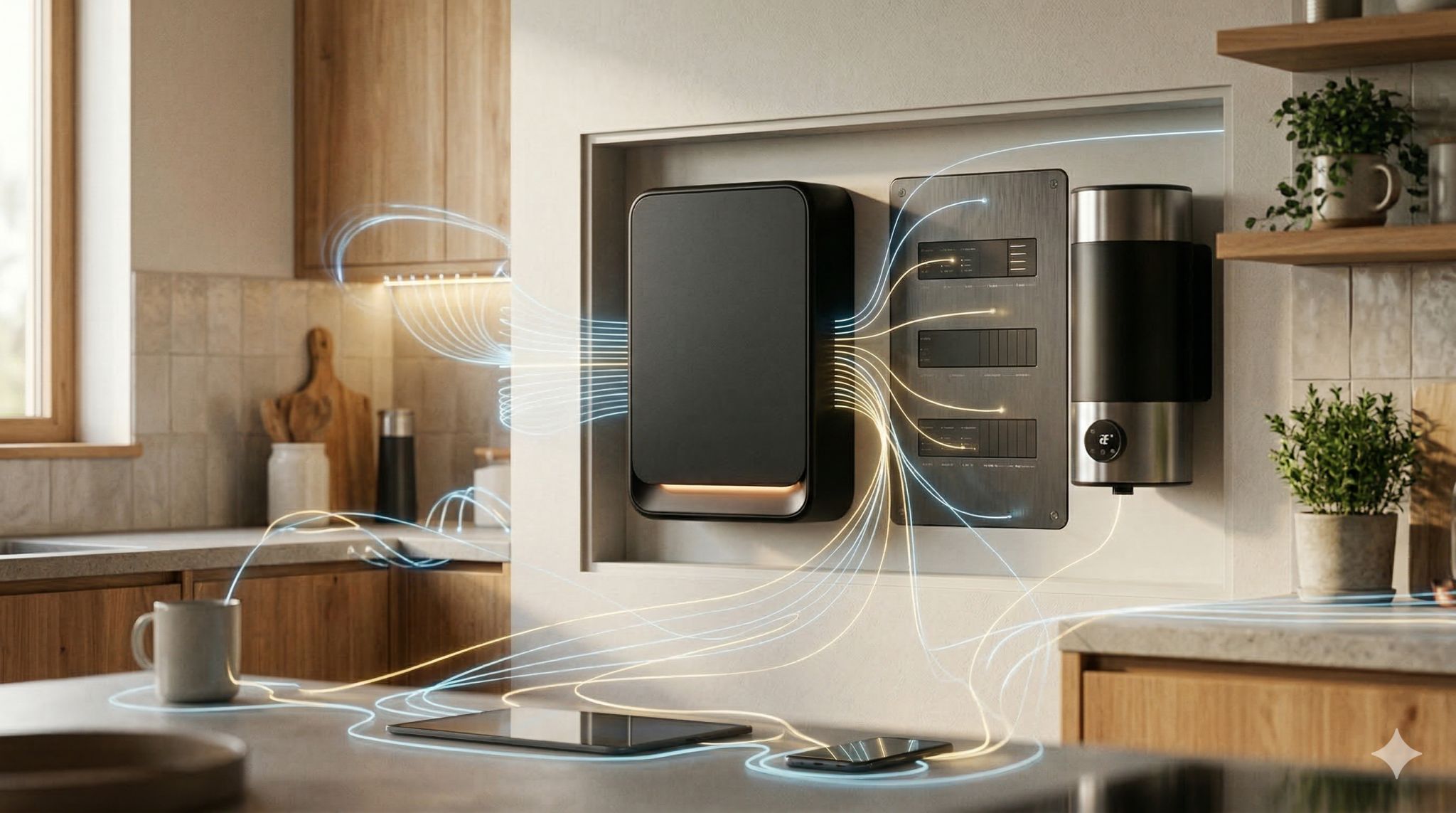
A persistent AI entity is not just another app. It is closer to domestic infrastructure.
You do not evaluate it like a website. You evaluate it like something that lives near your routines.
Does it remember well? Does it stay calm? Does it protect context? Does it reduce friction over months? Does it remain stable when the network, the provider, or the latest hype cycle changes?
That is not a software question. That is a household question.
And households are conservative for a reason.
People will accept a lot from a tool. They accept far less from a presence.
A refrigerator is boring. A boiler is boring. A good electrical panel is boring. That is exactly why they matter. They quietly preserve the conditions of life. Personal AI will become real when it moves from "interesting demo" to "trusted domestic infrastructure."
The future of AI adoption will not be decided only in boardrooms.
It will also be decided in kitchens, living rooms, family budgets, and questions like: "Does this actually make life steadier?"