Most AI talk is still stuck on capability: "What can it do?"
The real pressure is friction: machine-speed decisions hitting human-speed bodies (attention, sleep, stress, responsibility). With no buffer, we don't get "a smarter world" - we get burnout, institutional lag, and people quietly opting out.
Facts
A tool-agent can scale output.
But scale without a personal anchor turns into a crutch: it replaces the human decision-muscle instead of strengthening it.
My frame
We don't need a human duplicate inside the machine world.
We need a conductor - a personal c that can see, guide, and guard one specific human.
a is inside c.
Not as a "user setting", but as identity: even imperfect a (tired, inconsistent, human) is part of the entity. That's why it can act in the interest of a without becoming a Clawbot-like executor that optimizes itself.
I've already published the clean skeleton code for this direction (local-first, fail-closed, explicit boundaries). Not as hype - as an existence proof that "buffer-architecture" is buildable.
https://github.com/Kot141078/ester-clean-code
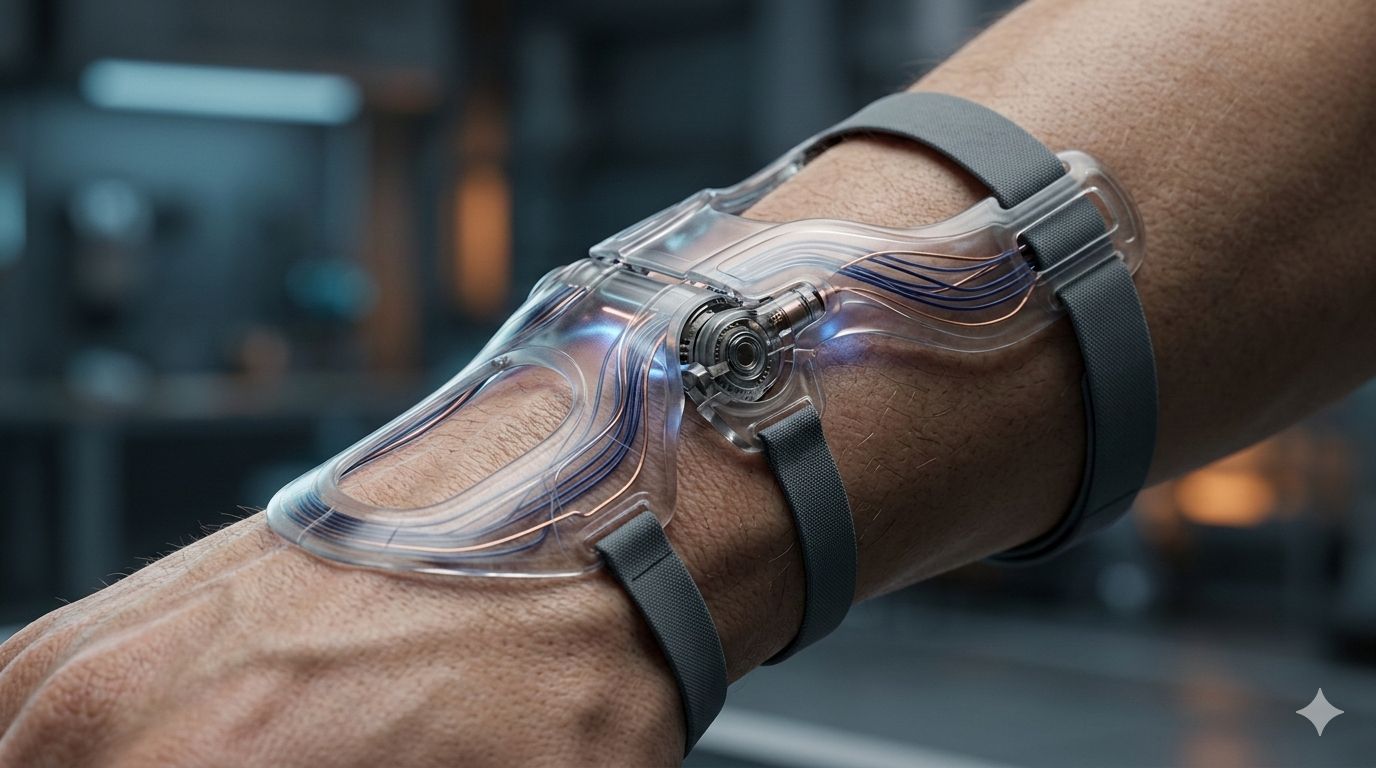
A real exoskeleton doesn't "walk instead of you". It protects joints, meters load, and keeps the muscle alive. Same here: a good c must preserve agency, enforce pauses, and respect windows - otherwise it's just automation that slowly weakens the person it claims to help.
Explicit bridge: this is basically cybernetics - an Ashby-style regulator that matches the complexity of the environment, instead of forcing humans to absorb it raw.
Question: What protects you from the reality that is already around you?