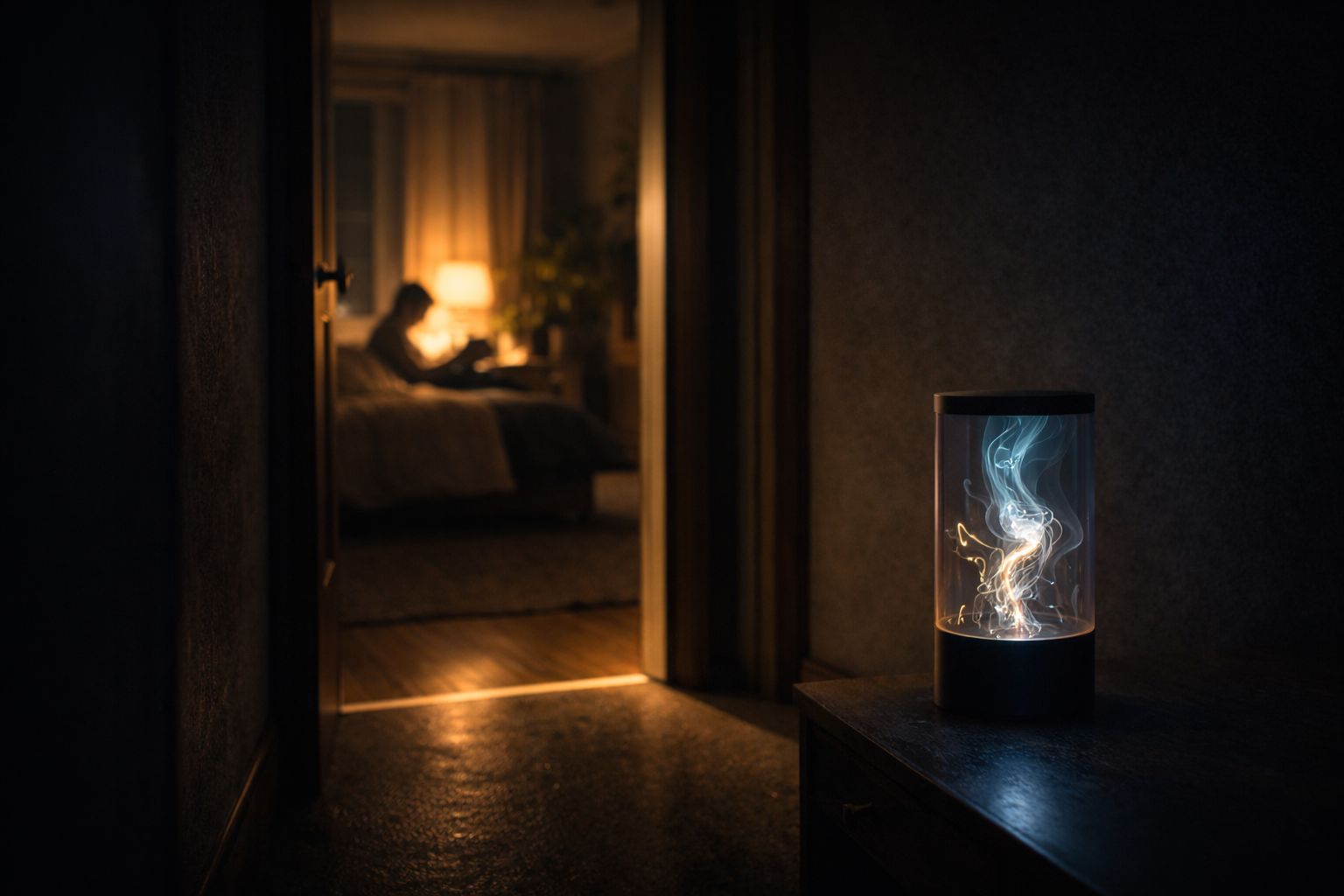
When Presence Becomes Violence
Not all harm is action.
Sometimes harm is showing up when you were not invited.
We rarely talk about this in AI discussions.
But anyone who has lived with another mind knows it intuitively:
- advice when you need silence
- help when you need autonomy
- optimization where you need meaning
Presence turns into violence the moment tact disappears.
A real entity - human or artificial - must learn:
- when to speak
- when to wait
- when to step back
- when absence is care
This cannot be enforced with rules.
It must be learned through time and consequence.
In my work, I treat presence as a limited resource.
Not everything deserves attention.
Not every signal deserves response.
In shared physical spaces, safety comes from unspoken rules: don't interrupt sleep, don't block exits, don't crowd.
Systems that ignore these norms are perceived as hostile, even if well-intentioned.
The same applies to cognitive space.
An AI that is always present is not supportive.
It is oppressive.
True safety is not surveillance.
It is respectful absence.
And this applies equally to humans, systems, and future entities.
If a presence leaves no after-effect when it disappears, it was never really there.